

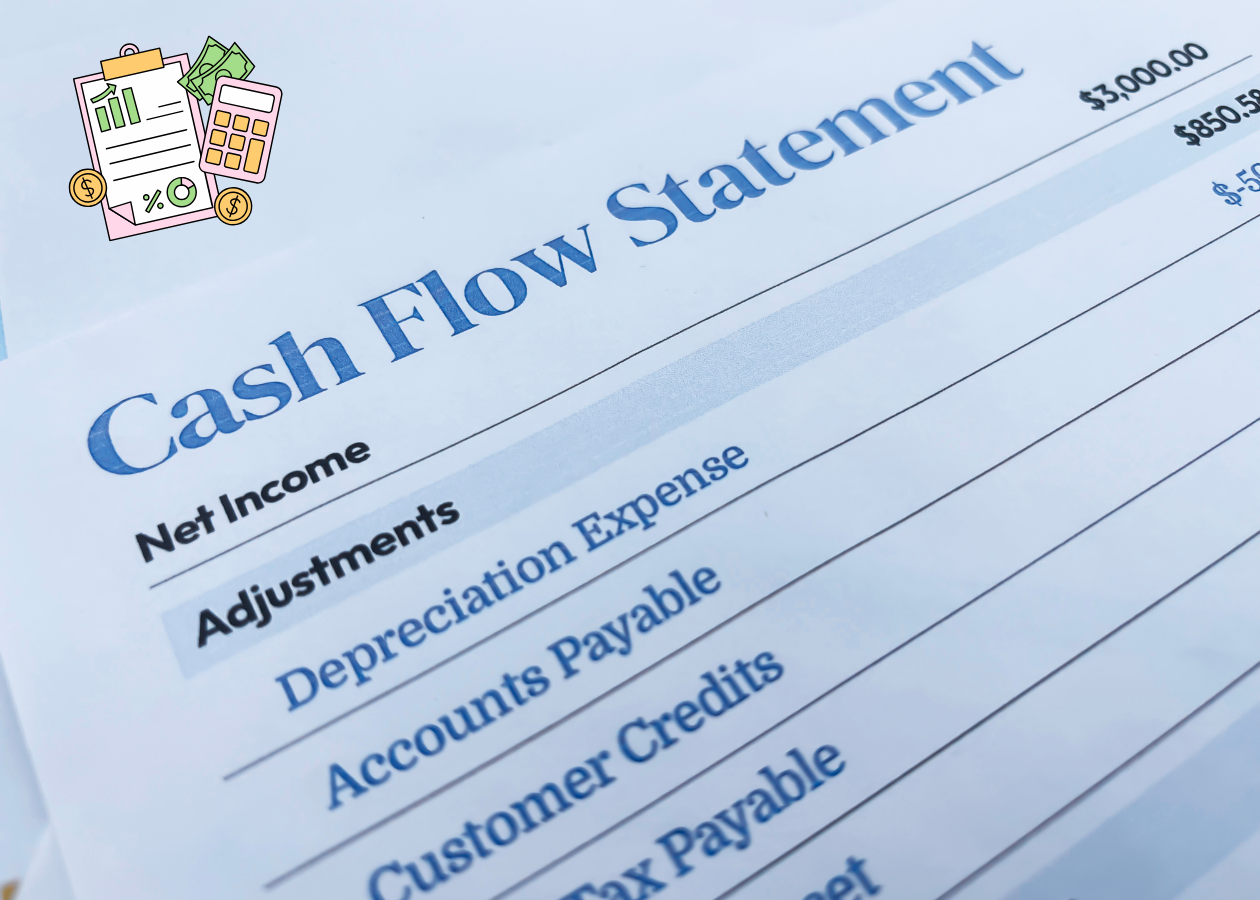

One thing I’ve noticed from working with businesses over the years is that many business owners assume that if their company is profitable, there should automatically be money sitting in the bank account.
Unfortunately, that is not always how it works.
A business can look profitable on paper and still struggle to pay rent, payroll, vendors, or other day to day expenses. This is one of the reasons why understanding the difference between profit and cash flow is so important for small business owners.
What is profit?
Profit is the amount left after expenses are deducted from revenue.
For example, if your business earned $80,000 in revenue for the month and had $65,000 in expenses, your profit would be $15,000.
Profit helps measure whether the business is performing well financially over a period of time. It appears on your income statement, also known as the profit and loss report.
A profitable business is generally a good sign. It means your pricing, sales, and operations may be moving in the right direction.
However, profit does not always mean cash is available.
What is cash flow?
Cash flow refers to the actual movement of money coming into and going out of your bank account.
It focuses on timing.
You may have sales recorded in your accounting records, but if customers have not paid yet, you may not actually have the cash available to cover expenses.
This is why businesses sometimes feel financially stressed even when they appear profitable.
A simple example
Let’s say a consulting company completes a $20,000 project in May and sends the invoice immediately.
Under accounting rules, the business records the $20,000 as revenue in May, which increases profit.
However, the client may not pay until July.
In the meantime, the business still has to pay employee salaries, software subscriptions, rent, taxes, and other operating costs during May and June.
On paper, the business looks profitable. But in reality, cash may be tight because the money has not actually been collected yet.
Another common example
I often see this happen when businesses purchase equipment or inventory.
Imagine a business earns a $30,000 profit during the quarter but spends $25,000 cash on new equipment.
The business may still show a healthy profit on the financial statements, but the bank account balance could become very low because cash was used to purchase the equipment.
This sometimes surprises business owners because they assume profitability and cash availability are the same thing.
Loan payments can also affect cash flow
Loan payments are another area that creates confusion.
For example, a business owner may pay $2,000 monthly toward a loan. Only the interest portion is recorded as an expense on the income statement. The principal portion reduces the loan balance on the balance sheet.
Even though the business may only show a small interest expense, the full $2,000 still leaves the bank account every month.
That affects cash flow directly.
Why cash flow matters so much
Cash flow is what keeps the business operating day to day.
You need cash available to:
- Pay employees
• Pay rent and utilities
• Purchase supplies or inventory
• Cover taxes and insurance
• Handle unexpected expenses
• Invest in growth opportunities
A business can survive temporarily without strong profits, but it becomes very difficult to operate without healthy cash flow.
Warning signs of cash flow problems
Some common warning signs include:
- Struggling to make payroll on time
• Frequently transferring personal funds into the business
• Delaying vendor payments
• Relying heavily on credit cards or loans for operating expenses
• Having strong sales but constantly low bank balances
These situations often indicate that cash flow needs closer attention.
Ways to improve cash flow
There are several ways small business owners can improve cash flow management.
Send invoices promptly
Delays in invoicing usually lead to delays in collecting payments.
Follow up on overdue accounts
Many customers simply need reminders. Staying on top of receivables helps improve cash coming into the business.
Review expenses regularly
Small recurring expenses can add up over time. Reviewing subscriptions and operating costs regularly helps control unnecessary spending.
Build a cash reserve
Setting aside funds during stronger months can help cover slower periods or unexpected costs.
Monitor financial reports monthly
Reviewing both the income statement and cash flow regularly gives a more complete picture of the business’s financial health.
Final thoughts
Profit and cash flow are both important, but they measure different things.
Profit tells you whether the business is earning money overall. Cash flow tells you whether the business has enough cash available to operate smoothly.
Understanding the difference can help business owners make better decisions, reduce financial stress, and plan more confidently for growth.
At Hitrust Consulting, I help small business owners stay organized, understand their financial reports, and build stronger financial systems that support long term success.
